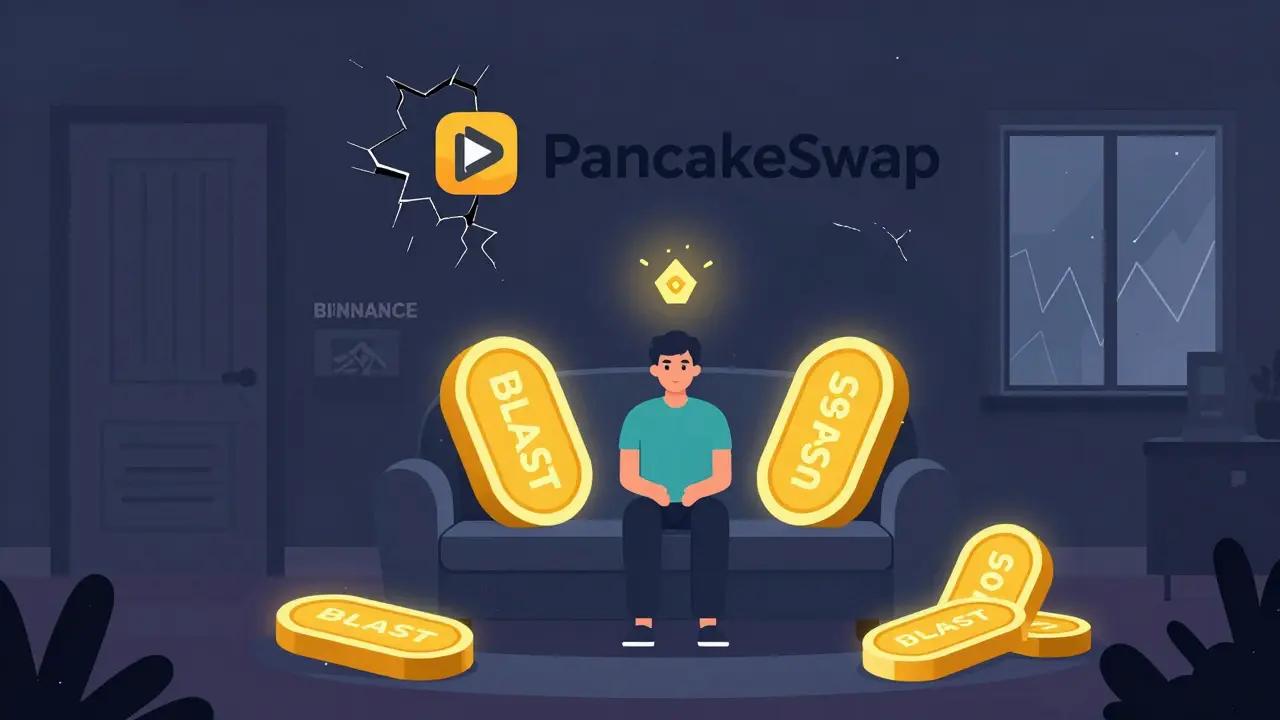
SafeBlast Coin: What It Is, Risks, and What You Should Know
When people talk about SafeBlast coin, a low-cap meme token often promoted on social media with promises of quick gains. It’s not a project with real technology or a working product—it’s a speculative gamble dressed up like an investment. Unlike coins built on clear use cases, SafeBlast coin relies entirely on hype, influencer posts, and FOMO. There’s no whitepaper, no roadmap, and no public team behind it. That’s not unusual for meme coins, but what makes SafeBlast coin dangerous is how aggressively it’s pushed to new crypto users who don’t know the signs of a scam.
SafeBlast coin runs on the Binance Smart Chain, a blockchain known for low fees but also for hosting a flood of low-quality tokens. This makes it cheap and easy to create fake coins like SafeBlast, and even easier to dump them. The token’s liquidity is tiny, often under $50,000, meaning a few large wallets can control the price. If the creators decide to pull out—which they almost always do—the price crashes instantly, and you’re left holding worthless tokens. Many of these coins claim to be "airdrops" or "play-to-earn" projects, but SafeBlast coin doesn’t offer anything beyond a token contract. No game, no app, no community utility. Just a ticker symbol and a Discord channel full of bots.
Related scams often use similar names—SafeBlast, SafeBlastX, SafeBlastPro—to trick people into thinking they’re official. Always check the contract address on BscScan before sending any funds. If the token has no verified contract, no audit, and no transaction history beyond pump-and-dump spikes, walk away. Even if you see "1000x" claims on Twitter or Telegram, remember: if it sounds too good to be true, it is. The only people making money from SafeBlast coin are the creators, and they’ve already cashed out.
What you’ll find below are real examples of similar tokens that turned out to be scams, guides on how to spot fake crypto projects, and breakdowns of why some meme coins survive while others vanish overnight. These aren’t just warnings—they’re survival tools for anyone trading on decentralized exchanges. You don’t need to chase every new coin. You just need to know which ones to avoid.