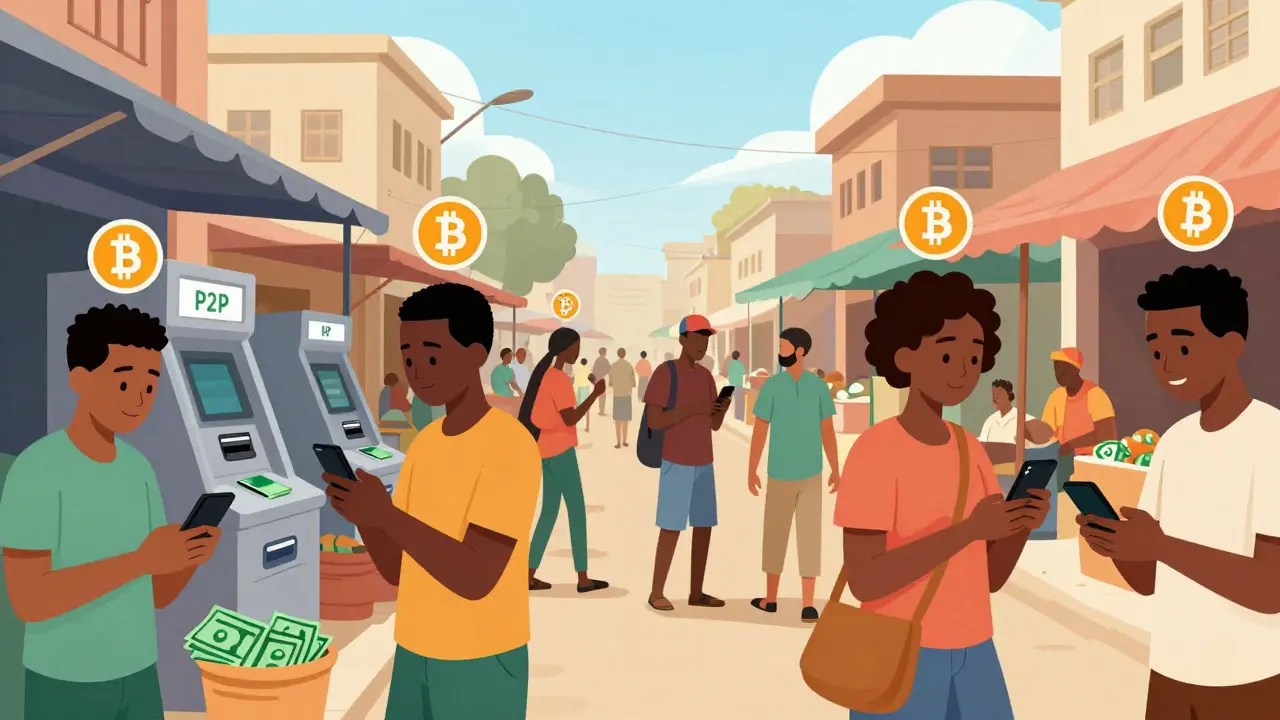
P2P Crypto Nigeria – What It Is and Why It Matters
When talking about P2P crypto Nigeria, the peer‑to‑peer cryptocurrency ecosystem that lets Nigerians trade directly without a central exchange. Also known as peer‑to‑peer crypto trading in Nigeria, it cuts fees, speeds up settlements, and opens doors for users who lack traditional banking access. This approach is reshaping how money moves across the country and beyond.
Why P2P crypto networks are a game‑changer
The backbone of P2P cryptocurrency networks, decentralized platforms that match buyers and sellers directly is trust‑less smart contracts. These networks enable instant swaps, lower transaction costs, and reduce reliance on overseas remittance services. For a country where banking penetration sits below 50%, the ability to exchange Bitcoin, USDT, or local stablecoins peer‑to‑peer creates real economic value.
Another pillar is decentralized finance (DeFi), a suite of financial services built on blockchain that operate without banks. DeFi protocols supply liquidity pools that power P2P trades, letting users lend, borrow, or earn yield on their crypto holdings. When a Nigerian taps into a DeFi lending pool, they gain access to capital that traditional lenders might deny.
Beyond domestic swaps, cross‑border payments, the movement of funds between countries using crypto bridges are a natural extension of P2P crypto. A trader in Lagos can send USDT to a partner in Accra within minutes, sidestepping costly correspondent banks. This speed and affordability drive regional trade and support families sending remittances home.
All these pieces feed into financial inclusion, the goal of giving everyone, regardless of location or income, access to useful financial services. By lowering entry barriers, P2P crypto Nigeria lets small‑scale entrepreneurs, farmers, and students participate in the digital economy. The result is a more resilient financial landscape where people can save, invest, and transact on their own terms.
Below you’ll find a curated selection of articles that dive deeper into each of these areas—real‑world use cases, security tips, and the latest regulatory updates. Whether you’re just starting out or looking to optimize your P2P crypto strategy, the posts ahead will give you actionable insights to thrive in Nigeria’s growing crypto scene.