Ordinals Bitcoin: What They Are, How They Work, and Why They Matter
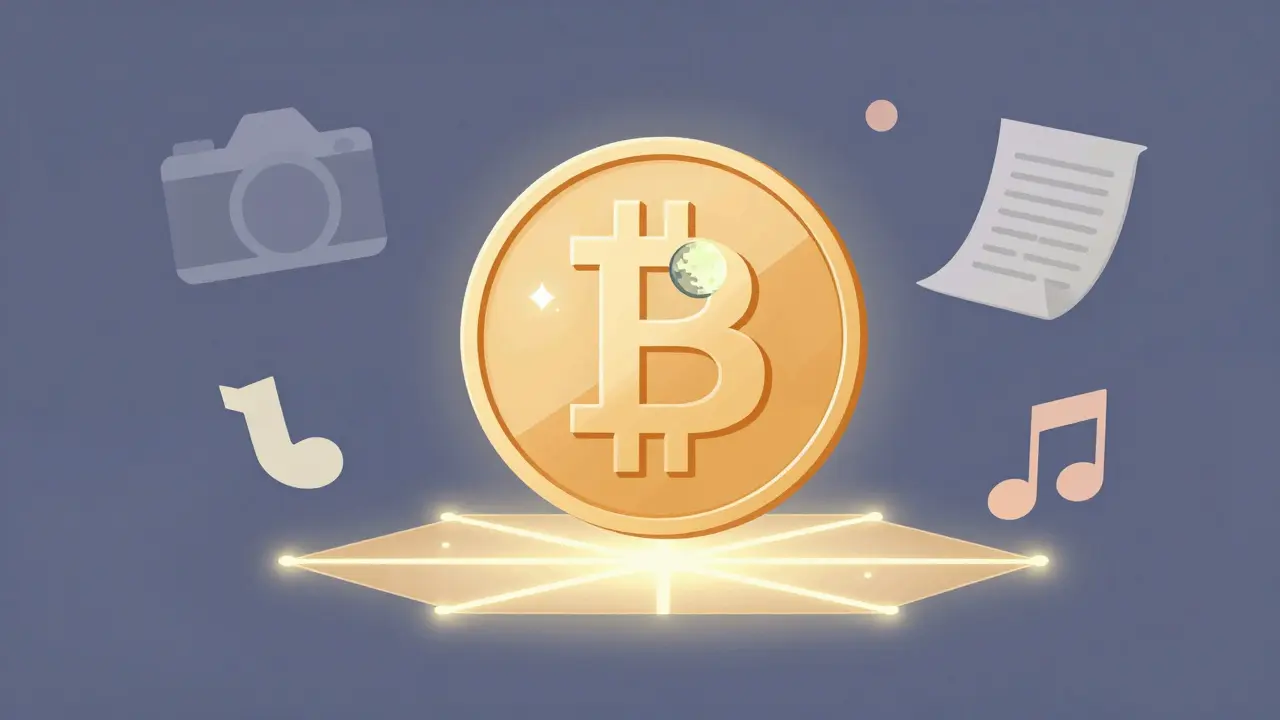
When you think of Bitcoin, you probably think of money—something you buy, sell, or send. But Ordinals Bitcoin, a system that lets users inscribe text, images, and files directly onto individual satoshis, the smallest unit of Bitcoin. Also known as Bitcoin inscriptions, it turns each satoshi into a unique digital object—like a stamp on a postcard, but on the blockchain. This isn’t a new coin. It’s not a sidechain. It’s Bitcoin itself, repurposed in a way no one expected.
Before Ordinals, Bitcoin was seen as a simple ledger for transfers. Now, thanks to a 2023 protocol update, you can write a poem, embed a JPEG, or even store a short video directly on a single satoshi. That satoshi becomes a one-of-a-kind asset—no smart contract, no Ethereum, just pure Bitcoin. It’s raw, simple, and controversial. Some call it a hack. Others call it innovation. Either way, it changed how people see Bitcoin’s potential.
Ordinals Bitcoin relies on two key ideas: inscriptions, the data written onto satoshis, and collectible satoshis, individual satoshis that are tracked and traded like digital artifacts. These aren’t NFTs in the Ethereum sense. They don’t need a marketplace contract. They live on the Bitcoin blockchain, secured by its proof-of-work, and moved like regular Bitcoin transactions. That’s why they’re so hard to censor—and why some exchanges refuse to support them.
People are using Ordinals for art, memes, games, and even identity. One inscription became a viral meme. Another was sold for over $100,000. But most are worthless—or worse, cluttering the network. Transaction fees spiked. Miners started prioritizing inscription-heavy blocks. Critics say it’s turning Bitcoin into a digital attic. Supporters say it proves Bitcoin can do more than just store value.
What you’ll find below isn’t theory. It’s real stories from users who tried it. Some made money. Some lost time. Others got locked out of wallets because their software didn’t handle inscriptions right. You’ll see how people claimed free inscriptions, what went wrong, and why some platforms banned them outright. There’s no hype here—just what happened when regular people started writing on Bitcoin.