Crypto Laws 2025: How to Understand Your Country’s Regulations
A 2025 guide that breaks down global crypto regulations, shows how to identify your jurisdiction's model, and offers a step‑by‑step compliance checklist.
Read MoreWhen talking about crypto jurisdiction, the set of laws, tax rules, and regulatory limits that apply to digital assets in a specific country or region. Also known as crypto legal environment, it determines what you can do with crypto, where you can trade, and how you pay taxes. Understanding crypto jurisdiction is key because it shapes everything from exchange licensing to the ability to use Bitcoin as legal tender.
Another core piece is regulation, government policies that define how crypto projects must operate, report, and protect users. Regulation influences jurisdiction by setting compliance checkpoints that businesses must meet before they can offer services. For example, India’s strict tax reporting requirements force exchanges to adopt robust KYC procedures, while El Salvador’s legal tender law shows how a jurisdiction can actively promote crypto adoption.
Taxation is the third pillar. In many places, crypto gains are treated like capital gains, but the rate and reporting method differ wildly. The United Arab Emirates offers a 0% personal income tax on crypto profits, turning the UAE into a tax‑friendly crypto jurisdiction. Meanwhile, Iran’s recent rules require businesses to obtain licenses and pay specific taxes to operate legally. Knowing the tax angle helps you avoid surprise bills and stay compliant.
Legal tender status is a game‑changer for a jurisdiction. When a government declares Bitcoin official money, like El Salvador did, it reshapes the entire crypto ecosystem in that country—from wallet usage to merchant acceptance. This shift also forces regulators to rethink AML and consumer protection rules.
Digital identity solutions, such as self‑sovereign identity (SSI), are emerging as tools for meeting jurisdictional compliance. By giving users control over their credentials, SSI helps businesses satisfy KYC requirements without handing over excessive personal data. It links directly to crypto jurisdiction because many regulators now demand verified identities for crypto transactions.
All these elements—regulation, tax, legal tender, and digital identity—interact to define a crypto jurisdiction. They shape how projects launch, how investors trade, and how everyday users store value. Below, you’ll find a curated list of articles that dive into specific jurisdictions, from India’s booming market to Nigeria’s underground P2P scene, and practical guides on navigating taxes in the UAE or licensing in Iran. Use these resources to see how each piece fits together and to plan your next move in the ever‑changing world of crypto law.
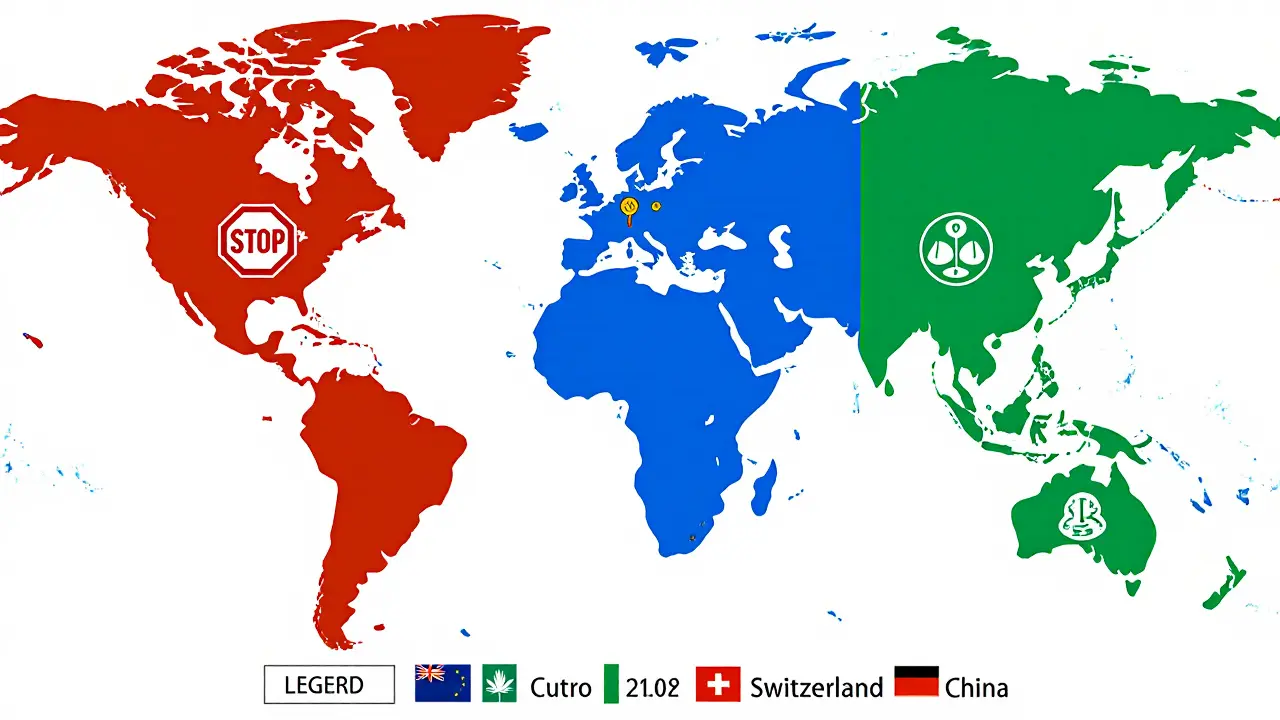
A 2025 guide that breaks down global crypto regulations, shows how to identify your jurisdiction's model, and offers a step‑by‑step compliance checklist.
Read More