Can Iranian Businesses Legally Accept Cryptocurrency?
Explore Iran's latest crypto rules for businesses, licensing steps, taxes, FX Card usage, and future outlook on CBDC and stablecoins.
Read MoreWhen navigating crypto regulation Iran, the set of rules that govern cryptocurrency activities within Iran. Also known as Iranian crypto law, it determines how crypto exchanges Iran can operate, what tax obligations users face, and how international sanctions shape the market.
Understanding crypto regulation Iran matters because the government tightly controls foreign currency and imposes strict licensing on any platform handling digital assets. The Central Bank of Iran (CBI) issues permits, while the Ministry of Communications oversees blockchain tech. In practice, exchanges must register with the CBI, keep detailed transaction logs, and block wallets linked to sanctioned entities. This environment creates a unique mix of compliance hurdles and opportunities for local traders who can tap into a market that still sees strong demand for crypto as a hedge against inflation.
First, the licensing regime: any crypto exchange operating in Iran must submit a business plan, prove AML/KYC procedures, and store data on servers physically located inside the country. Second, taxation: Iran treats crypto gains as taxable income, but the exact rate varies by whether the transaction is deemed a capital gain or a commercial activity. Third, sanctions: sanctions on crypto from the US and EU restrict Iranian entities from using major global platforms, forcing users toward domestic solutions or peer‑to‑peer networks. These three pillars—licensing, tax, sanctions—interact constantly. For example, a newly licensed exchange may lower fees to attract users, but if it fails to block a sanctioned address, the CBI can revoke its permit overnight. Likewise, tax reporting requirements push many traders toward platforms that offer built‑in reporting tools, further narrowing the pool of viable services.
Beyond the core rules, regional compliance also plays a role. Neighboring countries watch Iran's approach to gauge how they might adjust their own policies. Some Gulf states have introduced clearer crypto frameworks to attract investors who avoid Iranian sanctions, while Turkey’s evolving stance creates cross‑border arbitrage possibilities. For anyone operating in or near Iran, keeping tabs on these neighboring moves is as important as monitoring the domestic regulations.
What does this mean for you? If you’re an investor, look for exchanges that publish their licensing documents and compliance audits. If you’re a developer, build tools that can generate AML reports automatically to stay ahead of regulatory changes. And if you’re a policy watcher, notice how the CBI’s quarterly statements often signal upcoming tweaks—like the recent proposal to tax crypto mining revenues at a flat 15%.
Below you’ll find a curated collection of articles that break down each of these aspects in detail, from step‑by‑step exchange guides to deep dives on how sanctions affect everyday crypto usage in Iran. Dive in to get actionable insights you can apply right away.
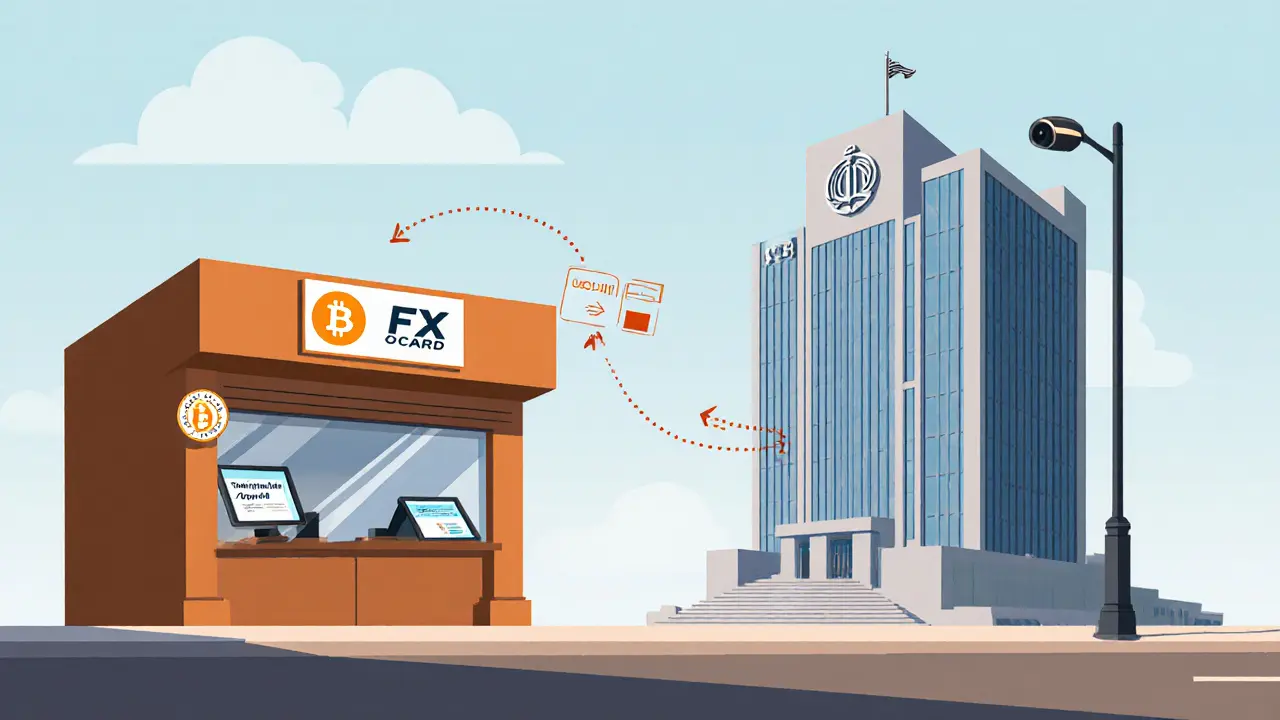
Explore Iran's latest crypto rules for businesses, licensing steps, taxes, FX Card usage, and future outlook on CBDC and stablecoins.
Read More