Crypto Exchange Philippines: Best Platforms, Rules, and What to Avoid
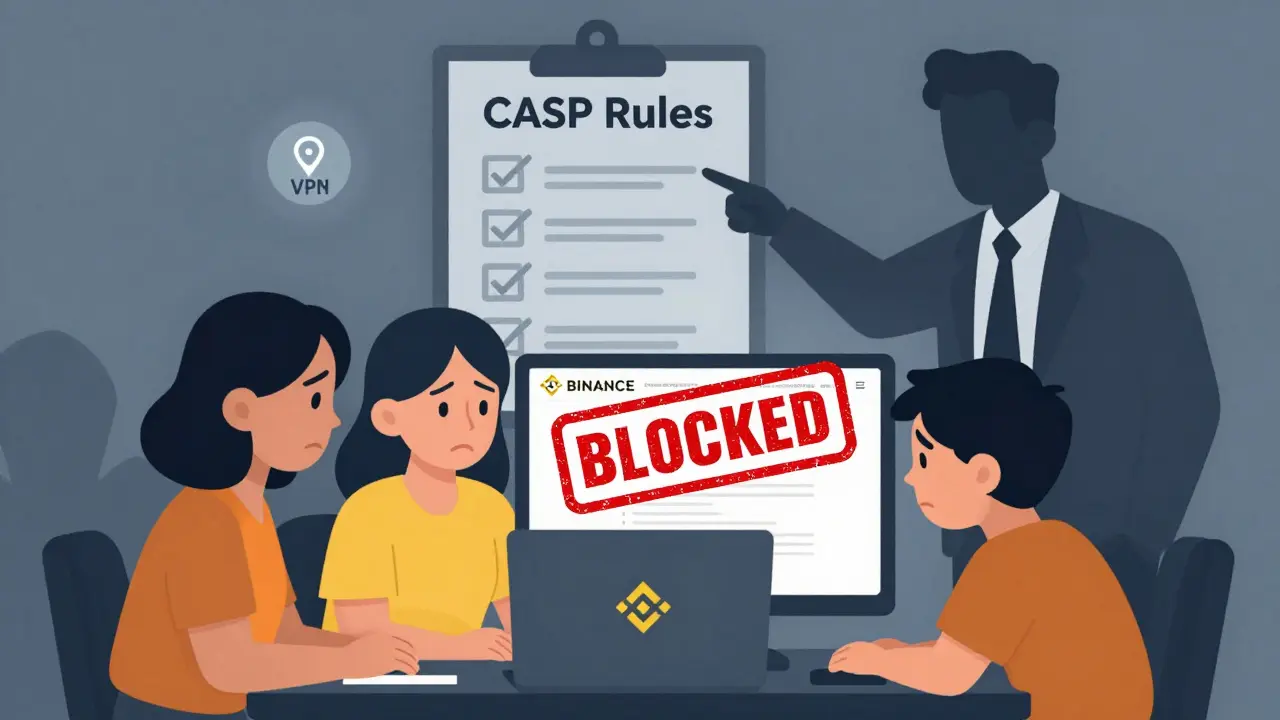
When you're trading crypto in the Crypto Exchange Philippines, a digital platform where Filipinos buy, sell, and store cryptocurrencies under local financial rules. Also known as Philippine crypto trading platform, it's not just about picking the app with the lowest fees—you need to know what's legal, what's risky, and who's actually watching your money. The Bangko Sentral ng Pilipinas (BSP) doesn't ban crypto, but it doesn't fully regulate exchanges either. That means some platforms operate in a gray zone. You can use Binance, Coins.ph, and PDAX, but only a few have official registration as Virtual Asset Service Providers (VASPs). If a platform doesn’t show its BSP license number, treat it like a sketchy ATM—don’t trust it with your cash.
Many Filipinos get tricked by fake exchanges that look real but vanish overnight. Beeblock, United Exchange, and COSS aren’t just bad—they’re gone. These aren’t isolated cases. In 2023, over 1,200 reports of crypto fraud were filed in the Philippines, mostly from people using unregistered platforms. The crypto exchange license, a formal approval from the BSP allowing a platform to operate legally in the country. Also known as VASP registration, it’s the only thing that separates a safe exchange from a scam. You won’t find this license on Instagram ads or Telegram groups. You’ll find it on the BSP’s official website under their VASP registry. If the exchange can’t point you there, walk away. Even big names like Binance don’t have a full license yet—they’re working under provisional status. That’s why you should never deposit more than you can afford to lose.
What about taxes? The Philippines doesn’t have a crypto transaction tax like Vietnam, but the BIR expects you to report profits. If you traded on a local exchange and made money, that’s taxable income. No one’s auditing every trade yet, but if you cash out to your bank account and the amount looks suspicious, they’ll ask. Keep records. Use tools like Koinly or CoinTracker, even if they’re not required. And don’t fall for fake airdrops claiming to be from Binance or PDAX. The crypto scams Philippines, fraudulent schemes that trick users into sending crypto by promising free tokens or guaranteed returns. Also known as Ponzi crypto schemes, they’re everywhere—on TikTok, Facebook, and even fake customer support chats. If it sounds too good to be true, it is. The real exchanges don’t DM you first.
Here’s what you’ll find in the posts below: real reviews of platforms Filipinos actually use, breakdowns of the legal gray areas, and warnings about the scams that have cost people thousands. No fluff. No hype. Just what works, what doesn’t, and how to protect yourself before you click "Buy."