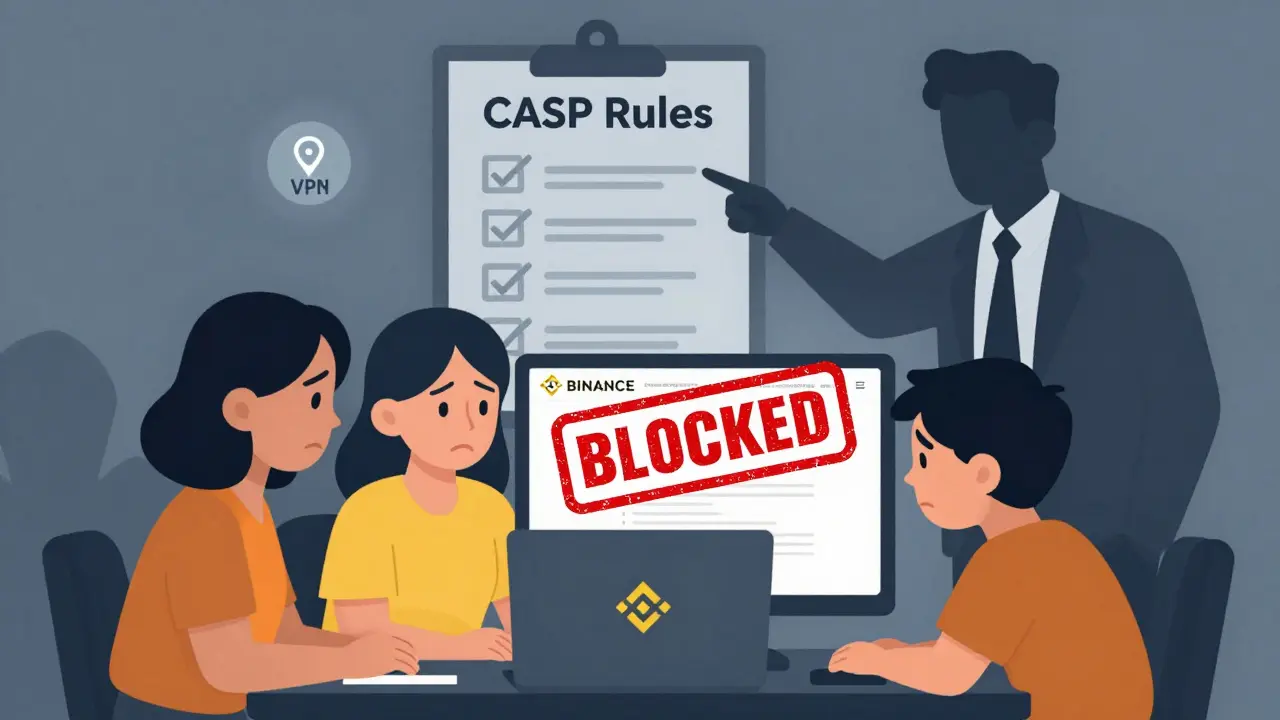
CASP Framework: What It Is and How It Shapes Crypto Regulation
When governments and regulators talk about CASP framework, a regulatory classification system for crypto assets and service providers. It stands for Crypto-Asset Service Provider—a term used by the Financial Action Task Force (FATF) to group companies that handle crypto on behalf of others. This isn’t just jargon. If you run a crypto exchange, wallet service, or even a token launch platform, the CASP framework decides whether you’re legal or breaking the law.
The CASP framework doesn’t just label companies—it sets clear rules. It requires AML crypto, anti-money laundering checks for users and transactions, strict crypto licensing, official approval from financial authorities before operating, and full traceability of funds. Think of it like a driver’s license for crypto businesses. You can’t legally pick up passengers (users) without one. Countries in Southeast Asia, like Singapore and Thailand, use this model to decide who gets a license and who gets shut down. It’s why platforms like COSS collapsed—they never followed CASP rules. And it’s why you see so many posts here about exchange licenses, scam alerts, and airdrop scams: most of them fail because they don’t meet CASP-level compliance.
What’s missing from the public conversation is how this affects everyday users. If your exchange isn’t a registered CASP, your funds aren’t protected. If the platform doesn’t verify identities, it’s likely a front for laundering. The CASP framework is the invisible hand behind every post about BitHotel airdrops, SUKU scams, or Beeblock fraud. Those fake airdrops? They don’t apply for licenses because they can’t. The real ones—like Saber DEX or Ardor DEX—operate under this system, even if they’re quiet about it. You don’t need to be a lawyer to understand it. You just need to know: if a crypto service doesn’t mention compliance, KYC, or licensing, it’s not following the rules. And that’s not risky—it’s dangerous.
Below, you’ll find real-world examples of what happens when businesses ignore the CASP framework—and what happens when they follow it. From exchange licenses to airdrop scams to security audits, every post here ties back to this system. You won’t find fluff. Just facts about who’s allowed to operate, who’s getting caught, and how to stay safe in a world where regulation isn’t optional—it’s survival.