Bitcoin NFTs: What They Are, Why They Matter, and What You Can Actually Do With Them
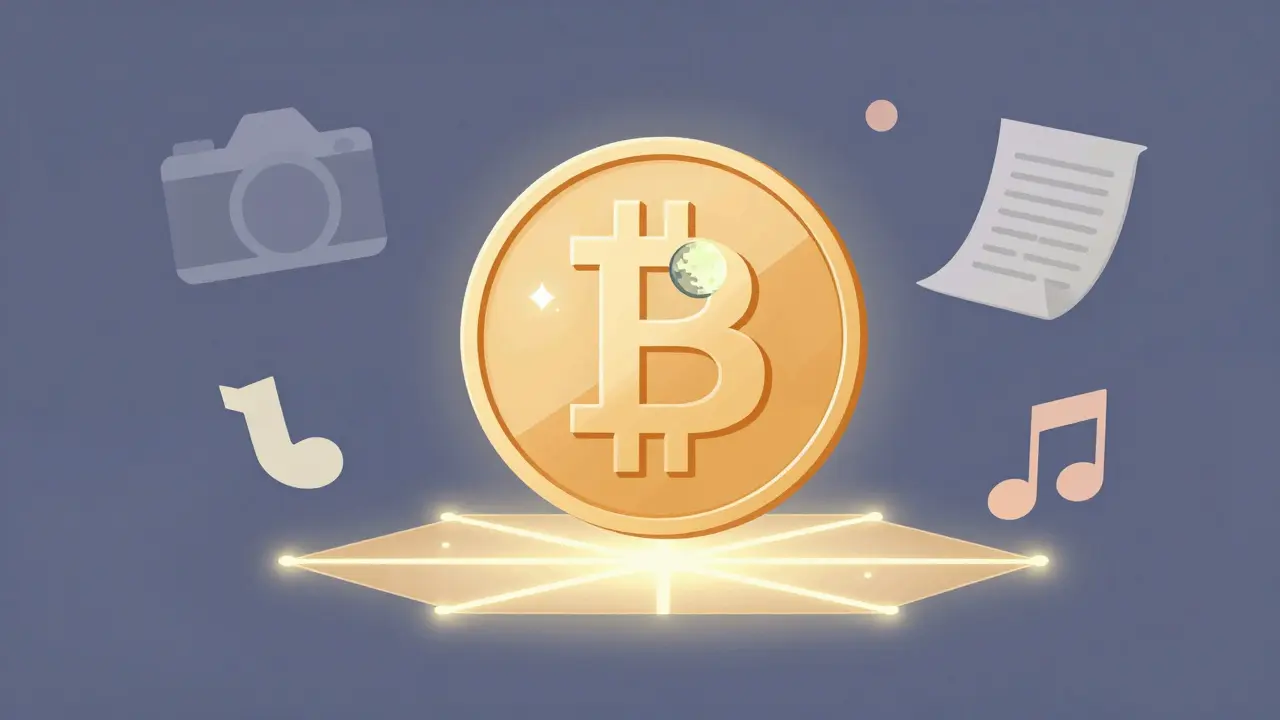
When you hear Bitcoin NFTs, digital assets recorded directly on the Bitcoin blockchain using protocols like Ordinals. Also known as Bitcoin inscriptions, they turn Bitcoin’s simple transaction system into a canvas for art, collectibles, and even text-based data—without needing Ethereum or other blockchains. Most people think NFTs only live on Ethereum, but Bitcoin NFTs are quietly building their own world, one satoshi at a time.
Unlike Ethereum NFTs that rely on smart contracts, Bitcoin NFTs use a technique called Ordinals, a protocol that lets users inscribe data directly onto individual satoshis—the smallest unit of Bitcoin. Each satoshi becomes unique, like a serial number on a dollar bill, and can carry an image, video, or piece of text. This means your NFT isn’t stored off-chain in a centralized server—it’s baked into Bitcoin’s ledger, making it as permanent and tamper-proof as Bitcoin itself. The Bitcoin blockchain, the original and most secure public ledger in crypto, doesn’t support smart contracts, so this workaround is clever, simple, and surprisingly powerful. You don’t need a fancy wallet or complex code—just a Bitcoin wallet that supports Ordinals, like Hiro or Xverse.
But here’s the catch: Bitcoin NFTs aren’t for everyone. They’re slow, expensive to mint, and not easy to trade. Most platforms don’t support them yet. You can’t just drop one into MetaMask like an Ethereum NFT. And while Ethereum NFTs thrive on utility—think gaming, music, and access passes—Bitcoin NFTs are mostly about ownership and scarcity. People collect them because they’re rare, tied to Bitcoin’s legacy, and stored on the most battle-tested network in crypto. Some are digital art. Others are memes, poems, or even entire books. A few have sold for tens of thousands of dollars, not because they’re useful, but because they’re part of Bitcoin history now.
What you’ll find in the posts below isn’t a list of trending Bitcoin NFTs or how to flip them for profit. Instead, you’ll see real breakdowns of what’s actually happening on the Bitcoin chain—how people are using it, what’s working, what’s broken, and where scams hide. You’ll learn about tools that let you inscribe your own data, wallets that handle Bitcoin NFTs safely, and why some projects claim to be "Bitcoin NFTs" but aren’t really on Bitcoin at all. There’s no fluff. Just facts, risks, and what you need to know before you spend your satoshis on something that might not be what it seems.