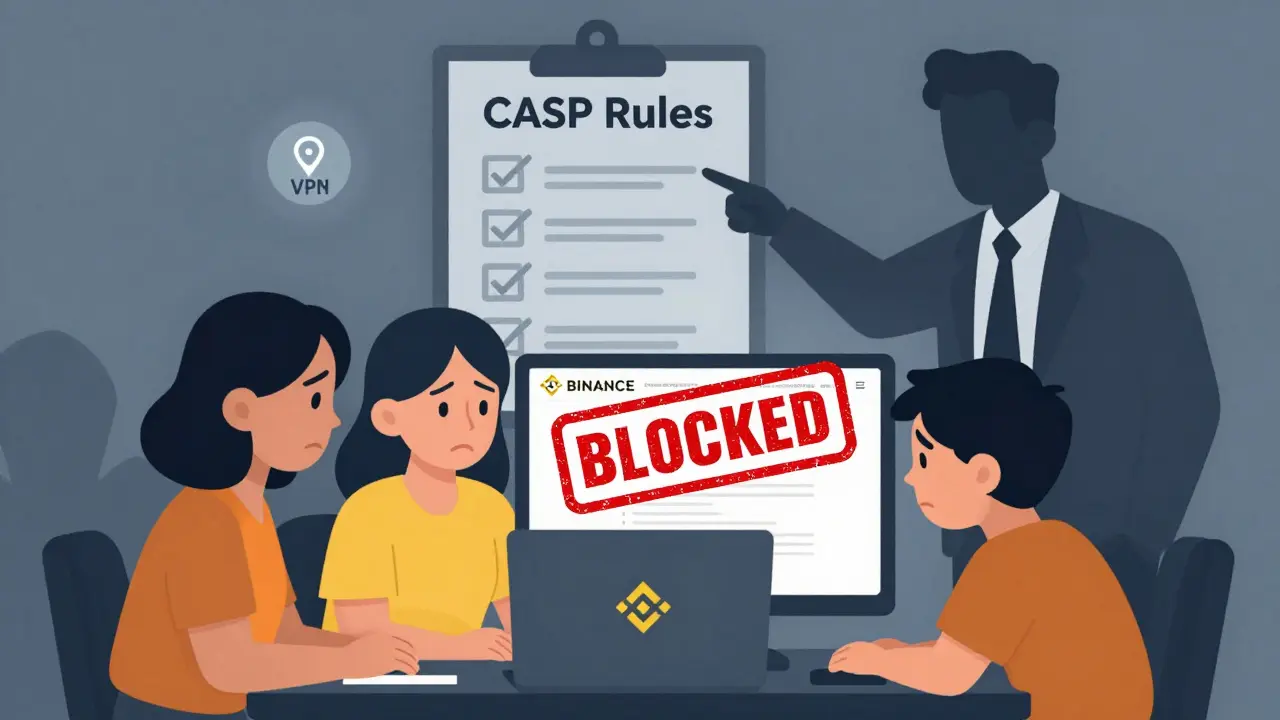
Binance Philippines Ban: What Happened and What It Means for Crypto Users
When Binance Philippines ban, the sudden suspension of Binance's local operations in the Philippines in 2023, triggered by regulatory pressure from the SEC. This wasn't just a business decision—it was a regulatory showdown that changed how Filipinos access crypto. The Philippines Securities and Exchange Commission, the government body responsible for overseeing financial markets and protecting investors. Also known as SEC Philippines, it moved because Binance wasn't registered to operate as a virtual asset service provider under local law. No license. No oversight. No legal standing. That’s all it took.
The Philippines crypto regulations, a framework requiring all crypto exchanges to register, comply with AML rules, and report user activity. This system was never meant to stop crypto—it was meant to bring it into the light. Binance, despite being the world’s largest exchange, chose not to play by the rules locally. Meanwhile, other platforms like Coins.ph and PDAX moved quickly to get licensed, build trust, and keep serving users. The crypto exchange shutdown, the forced halt of operations by a platform due to non-compliance with national financial laws. This kind of isn’t rare. It’s becoming the norm as countries catch up with crypto’s growth. The real question isn’t whether Binance will return—it’s whether users will stick with unregulated platforms or move to ones that follow the law.
What does this mean for you? If you’re in the Philippines, you still have options. Licensed exchanges are safe, transparent, and legally protected. You can still trade, earn, and store crypto—but now you’re doing it with a company that answers to regulators, not just market trends. The Binance Philippines ban didn’t kill crypto here. It cleaned up the space. What follows are real stories, deep dives, and practical guides about what went wrong, what’s working now, and how to protect yourself in a post-ban crypto landscape.